
 By
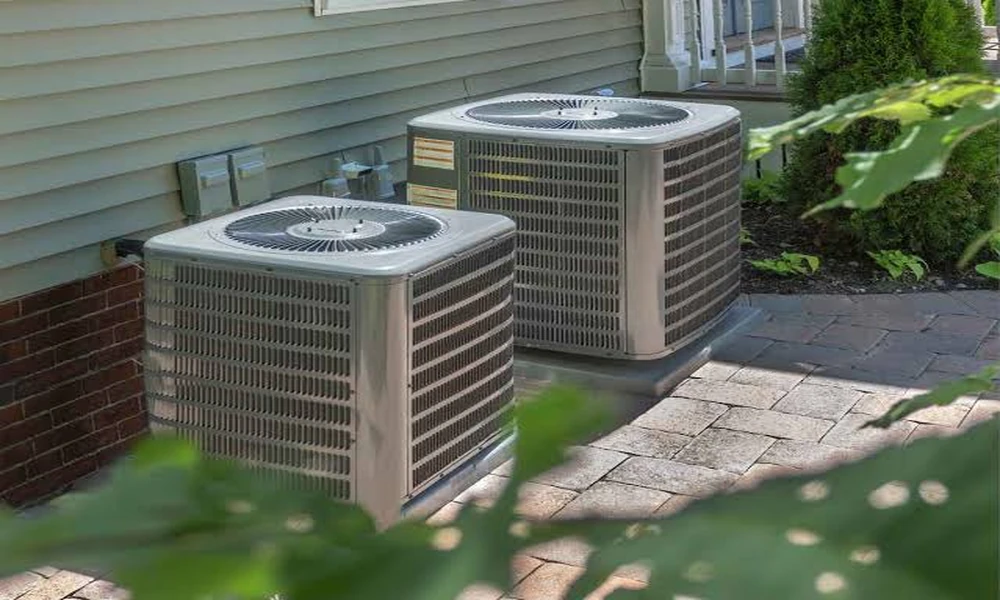
Choosing the right heating, ventilation and air conditioning (HVAC) system can improve indoor comfort, manage energy use and help maintain consistent temperatures throughout the year. With several system types available, homeowners need to consider their property’s size, insulation, local climate and heating and cooling requirements before making a decision.
A well-matched system should meet your household’s needs without being unnecessarily large, expensive to operate or difficult to maintain.
1. Assess Your Home’s Heating and Cooling Needs
Start by considering the size and layout of your property. Larger homes may require greater heating and cooling capacity, while smaller properties might benefit from a compact system. However, floor area alone does not determine the correct equipment size.
Insulation, ceiling height, window placement, air leakage and the number of occupants also affect heating and cooling demand. Homes with several floors or rooms that experience uneven temperatures may need additional airflow adjustments or a zoning system.
When comparing HVAC services in Haughton, LA, look for professionals who assess these factors before recommending equipment. A proper load calculation helps determine the capacity required for your home rather than relying on a rough estimate.
2. Compare Different Types of HVAC Systems
Understanding the main system options makes it easier to identify the right solution for your property.
Central Heating and Air Conditioning
Central HVAC systems distribute conditioned air through ductwork. They can provide whole-home comfort when the ducts are properly designed, sealed and maintained. They are often suitable for houses that already have compatible ductwork.
Heat Pumps
Heat pumps transfer heat rather than generating it directly through conventional combustion. In warmer months, they remove heat from the home, while in cooler weather, they provide heating. Their suitability depends on the local climate, equipment specifications and the home’s heating requirements.
Ductless Mini-Split Systems
Ductless systems use indoor units connected to an outdoor unit. They can be useful for home extensions, converted garages, individual rooms or properties without existing ductwork. Multiple indoor units may also allow separate temperature control in different areas.
Furnaces and Separate Cooling Systems
A gas or electric furnace can provide heating, while a separate central air conditioner handles cooling. This arrangement may suit homes with existing equipment or particular heating requirements, depending on fuel availability and operating costs.
3. Prioritise Energy Efficiency
An efficient HVAC system can help reduce energy consumption while maintaining comfortable indoor temperatures. Compare the relevant efficiency ratings for each equipment type, including SEER2 for cooling performance and HSPF2 for heat pumps.
For furnaces, AFUE indicates the proportion of fuel converted into useful heat over a typical operating period. Higher ratings generally indicate greater efficiency under the applicable testing conditions, although actual performance depends on installation, maintenance and usage.
Ask about programmable or smart thermostats, suitable filtration and available efficiency features. When evaluating HVAC services in Haughton, LA, request recommendations that balance upfront costs, expected energy use and your household’s comfort needs.
4. Check Installation Quality and Ductwork
Even efficient equipment can perform poorly if it is installed incorrectly. Undersized or oversized systems, leaky ducts and restricted airflow can contribute to uneven temperatures, unnecessary energy use and excessive wear.
Before selecting a contractor, ask whether the installation includes a load calculation, ductwork inspection and airflow assessment. Confirm that the proposed system is compatible with your home’s electrical supply, existing infrastructure and ventilation requirements.
Obtain a written quotation detailing the equipment model, installation work, warranty terms and any additional modifications required.
5. Consider Maintenance and Long-Term Costs
The purchase price is only one part of the overall cost of owning an HVAC system. Filters, routine servicing, repairs, energy consumption and eventual replacement should also influence your decision.
Check how frequently the equipment needs maintenance and whether replacement filters or parts are readily available. Regular servicing can help identify developing problems and maintain reliable operation.
Choose a system that fits your budget without compromising essential installation requirements. A slightly more efficient model may be worth considering if its projected energy savings justify the additional upfront expense.
Frequently Asked Questions
What size HVAC system does my home need?
The correct size depends on a professional heating and cooling load calculation that considers floor area, insulation, windows, air leakage and other property characteristics.
How long does an HVAC system typically last?
Lifespan varies by equipment type, installation quality, operating conditions and maintenance. Ask the installer about expected service life for the specific model and the factors that may affect it.
Should I replace my entire HVAC system at once?
Not always. The decision depends on the condition, age and compatibility of the existing equipment. A professional assessment can help determine whether replacing one component or the complete system is more practical.
Conclusion
Choosing the right HVAC system involves more than comparing equipment prices. Consider your home’s heating and cooling requirements, system type, energy efficiency, installation quality and long-term maintenance needs. A properly sized and professionally installed system can support dependable comfort throughout the year. Compare written proposals carefully and select equipment suited to your property rather than paying for capacity or features you do not need.

Comments