
 By
By 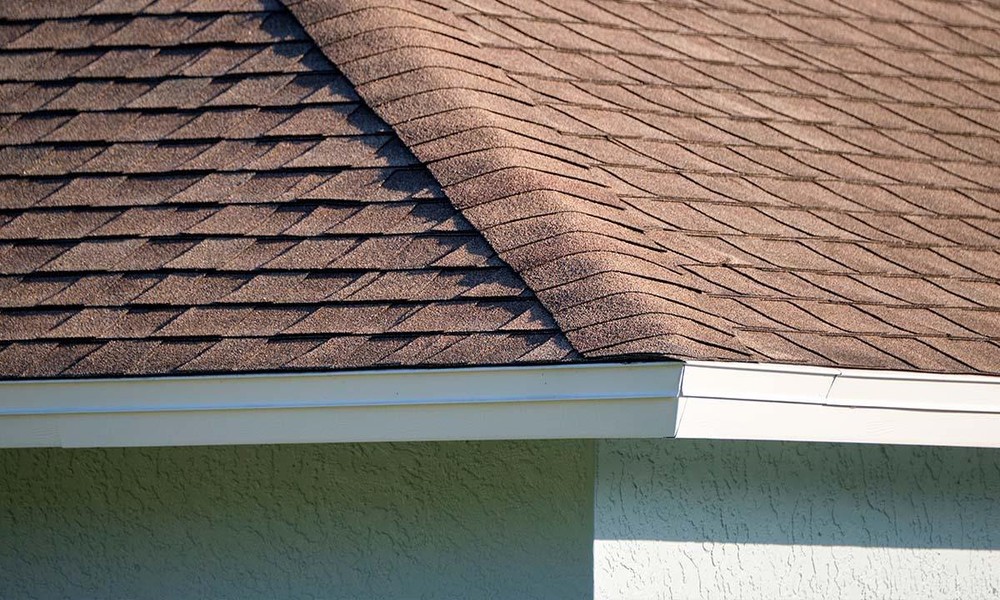
A roof covered in moss and algae is more than an eyesore; it signals a deeper issue that could impact your home’s integrity and the surrounding environment. While traditional roof cleaning often means harsh chemicals or aggressive pressure washing, soft washing is quietly revolutionizing the way communities like Olympia, WA care for their homes and ecosystems.
Why Soft Washing Matters for Residential Roofs
Understanding Soft Washing vs. Pressure Washing
Many homeowners are familiar with pressure washing, which uses highly pressurized water to blast away dirt and contaminants. While effective for some surfaces, this method can damage shingles, force water under roofing materials, and strip away protective coatings. Soft washing, in contrast, relies on a low-pressure application of specially formulated cleaning solutions designed to break down organic growth without harming the roof itself.
Environmental Implications of Traditional Roof Cleaning Methods
Conventional roof cleaning sometimes means the runoff of detergents and loosened debris streaming into gutters, storm drains, and local water sources. This kind of runoff can carry harmful chemicals and spores, contributing to water pollution and disrupting the health of local ecosystems. It’s not rare for aggressive cleaning to scatter mold and algae spores onto surrounding yards or gardens, causing regrowth and the need for repeated cleaning.
Case Study: Olympia, WA – A Community Adopting Soft Washing
Local Climate and Its Impact on Roof Contaminants
Olympia’s damp, mild climate is a haven for moss, algae, and lichen. These organisms thrive on shaded, moisture-retentive rooftops, causing discoloration and sometimes structural harm. Frequent rains and overcast skies only accelerate organic buildup, making regular maintenance essential for homeowners.
Zach’s Power Washing: Soft Washing in Action
Recognizing this regional challenge, Zachs Power Washing roof cleaning has become a trusted solution for homeowners in Olympia, Tumwater, and the surrounding areas. By utilizing soft washing techniques, they’re not just improving curb appeal but actively protecting the environment with safe, biodegradable cleaning agents and precise water control.
Measurable Environmental Improvements Observed
Residents have noticed fewer chemical smells in the air during and after cleaning projects. Reduced moss and algae on roofs means fewer spores released into the environment, and less need for repeat treatments, a benefit for both the ecosystem and the homeowner’s wallet.
How Soft Washing Protects the Ecosystem
Minimizing Chemical Runoff and Water Usage
Soft washing uses targeted, eco-friendly solutions that break down quickly after use. Because it operates at low pressure, there’s less runoff to carry contaminants into storm drains or nearby waterways, preventing toxic substances from harming fish and other aquatic life.
Preserving Local Plant Life and Wildlife
By controlling chemical exposure and water use, soft washing helps avoid damage to surrounding plants, lawns, shrubs, and local wildlife. Runoff is less likely to burn foliage or disrupt healthy soil bacteria, supporting a thriving home landscape.
Reducing Airborne Particulates and Mold Spores
High-pressure washing can blast mold and algae spores into the air, where they can resettle on nearby surfaces or even enter homes. Soft washing’s gentler approach keeps particulates contained, improving air quality and reducing allergy risks.
Benefits to Homeowners Beyond Clean Roofs
Extending Roof Lifespan and Reducing Waste
By gently removing harmful growths, soft washing helps prevent premature roof aging and the need for costly replacements. Fewer roof replacements mean less construction waste sent to local landfills.
Enhancing Curb Appeal with Eco-Friendly Practices
A clean, well-maintained roof boosts the home’s visual appeal while signaling responsible stewardship, both of the property and the environment.
Lowering Maintenance Costs Through Preventive Cleaning
Consistent soft washing prevents the buildup of damaging organisms, lowering the risk of costly repairs and reducing overall maintenance expenses.
The Science Behind Soft Washing Solutions
Biodegradable and Safe Cleaning Agents Explained
The cleaning solutions used in soft washing are formulated to be tough on grime but gentle on the environment. They break down into harmless substances after application, minimizing lasting impact.
How Soft Washing Targets Algae, Moss, and Lichen Without Damage
Instead of ripping away layers of your roof, soft washing chemically dissolves unwanted growth at its root, preserving shingle integrity and extending roof life.
Practical Steps to Implement Soft Washing at Home
When and How Often to Schedule Soft Washing
Most roofs in moist climates benefit from soft washing every one to two years, depending on shade, tree cover, and moss activity.
Selecting a Responsible Service Provider
Seek providers who use eco-friendly products, control runoff, and are licensed and insured. Services like Zachs Power Washing roof cleaning exemplify these best practices in the Olympia region.
DIY Considerations and Environmental Precautions
Homeowners attempting soft washing should always use approved, biodegradable cleaners and avoid overuse of water. Protecting drains and sensitive landscaping is essential.
Overcoming Misconceptions About Soft Washing
Addressing Concerns of Effectiveness and Cost
Some assume soft washing costs more or is less effective. In reality, it often provides longer-lasting results with fewer return visits and less damage.
Comparing Results With Traditional Pressure Washing
While pressure washing may deliver fast, dramatic results, it risks surface damage and more rapid regrowth. Soft washing’s gentler, targeted cleaning often keeps roofs cleaner for longer and with less environmental impact.
The Future of Sustainable Roof Care
Emerging Technologies and Green Innovations
Advancements in plant-based cleaning agents and water-saving techniques are making roof care more sustainable every year.
Encouraging Community-Wide Adoption for Broader Impact
As more residents choose soft washing, neighborhoods enjoy cleaner air, reduced runoff, and a healthier local ecosystem. Small changes in home care, when multiplied across a community, create visible, measurable benefits for everyone.



Comments